Documentary Film Funding: 7 Proven Ways to Raise Money
Documentary Film Funding: 7 Proven Ways to Raise Money
Are you tired of staring at a brilliant documentary treatment while your bank account sits at zero? Have you given any thought to how much easier your life would be if you had a clear, proven roadmap to get your film out of your head and onto the screen?
I see it all the time. Brilliant, passionate documentary filmmakers: people who want to change the world: getting stuck because they think "funding" is a mysterious code they just can't crack. They spend years chasing a single grant, only to be met with a "no" that feels like a door slamming in their face.
The struggle is OVER.
I truly believe that every documentary filmmaker has the power to fund their vision if they stop relying on "hope" as a strategy. You need a diversified approach. You need to understand that there isn't just one bucket of money; there are SEVEN.
At Filmmaker Success, we focus on a holistic approach. I’ve helped hundreds of filmmakers move from "struggling artist" to "working producer" by using my proven frameworks. Whether you’re a first-time filmmaker or a veteran, it’s time to transform your overall thought process.
Make Movies. Make Money. Make the World a Better Place.
Here are the 7 types of fundraising I teach every filmmaker who walks through my door.
1. Small Donors - The Power of Crowdfunding
Crowdfunding isn't just about the money... it's about the MOMENTUM.
Where I most often see filmmakers fail is thinking that crowdfunding is a "launch and they will come" situation. It’s not. It is a community-building exercise. You are inviting people to join you on a journey.
Before you ever hit "publish" on a Kickstarter or Seed&Spark campaign, you need an engaged audience. You need a believable funding target and a short, punchy pitch video that makes people feel the importance of your subject matter.
PRO TIP: Use your small donor campaign to prove to "big" funders that there is a market for your film. If 500 people are willing to give you $25, it shows a foundation or a corporate sponsor that your topic matters to the public.
Ready to dive deeper into this? Check out our crowdfunding resources to see how we structure winning campaigns.
2. Major Donors - High-Level Relationships
Major donors are the individuals who can write a check for $5,000, $10,000, or even $50,000. But here is the secret: they give to PEOPLE who make EXCELLENT PROJECTS.
This is about relationship building. These donors are often motivated by the same thing you are: the cause. If your documentary is about environmental justice, your major donors are people who have already demonstrated they care about the planet.
But wait! How do they get a tax break?
This is where Fiscal Sponsorship becomes your best friend. Most individual major donors want their donation to be tax-deductible. By partnering with a nonprofit fiscal sponsor, you can offer that bene fit without having to start your own 501(c)(3). It’s a game-changer for the independent filmmaker.

3. Corporate Sponsorship - Strategic Alignment
Think about the brands that align with your film’s message. If you are filming a doc about marathon runners, why aren't you talking to shoe companies or hydration brands?
Corporate sponsorship can come in two forms: CASH or IN-KIND.
Sometimes, getting $10,000 worth of camera gear or free hotel stays for your crew is just as valuable as a cash deposit. Companies want visibility. They want to show their customers that they care about social issues or specific communities.
When you approach a corporation, don't ask for a "handout." Offer them a PARTNERSHIP. Show them exactly how their brand will be featured and who will see it.
4. Grants - The Competitive Edge
I’ll be honest with you: Grants are hard. They are highly competitive and incredibly selective. But they are also a "seal of approval" that can trigger other types of funding.
To win a grant, you must be hyper-specific. You cannot send a generic proposal to the Sundance Institute, the IDFA Bertha Fund, and your local arts council. You must tailor every single application to match the program's specific goals.
And that’s where I come in. Inside our Success Video Course, we break down how to write proposals that actually get read.
Are you ready to stop guessing and start winning?
5. Foundations - Mission-Driven Funding
Foundations are slightly different from general grants. Foundations are organizations set up specifically to solve a problem: be it literacy, cancer research, or homelessness.
If your documentary sheds light on the very problem a foundation is trying to solve, you aren't just a filmmaker; you are an ALLY.
Search for foundations that have a history of funding "media projects" or "outreach." Often, they will fund the impact campaign of your film rather than the production itself. This is a huge opportunity to get your post-production or distribution costs covered!
6. Investors - Social Impact & ROI
Can you have investors for a documentary? ABSOLUTELY.
While documentaries are rarely "blockbuster" profit-makers in the traditional sense, there is a growing class of "Impact Investors." These are people who want their money to do two things:
1. Get returned to them (eventually).
2. Create a measurable social change.
To attract an investor, you need a PROFESSIONAL business plan. You need a simple finance plan, a recoupment outline, and a clear path to distribution. They need to know you are serious about the "business" of film, not just the "art."
Make sure that your business plan includes a budget that makes sense and is not based on fantasy.
Check out our resources on this issue. Or my book for an even deeper dive.
7. Sales - The Final Piece of the Puzzle
Finally, we have sales. This includes sales to streamers, educational distribution, and digital sales.
Too many filmmakers wait until the film is finished to think about sales. BIG MISTAKE. You should be
thinking about your sales strategy long before you begin production.
• Who is the audience for my film?
• Will this work for the educational market (universities/libraries)?
• Is there a specific TV network that buys this type of content?
When you can show a potential funder that you already have a plan to get the film into the world, their confidence in you skyrockets. We’ve seen this work time and time again with our clients: many of whom have films in distribution right now.
Is it time to finally tell your story?
I truly believe that the world needs your documentary. There are stories that only you can tell, and voices that will only be heard if you finish your film. We are living in an era when so many voices are being stifled, so speaking up, speaking louder and longer is even more important. And the loudest way to get your message out into the world is with a movie.
But you can't do it alone. And you definitely shouldn't do it while stressed about money every single day.
Imagine having a Healthy Funding strategy where the money flows in from multiple sources, allowing you to focus on what you do best: Directing and Producing.
Does this feel like a dream? It doesn't have to be.
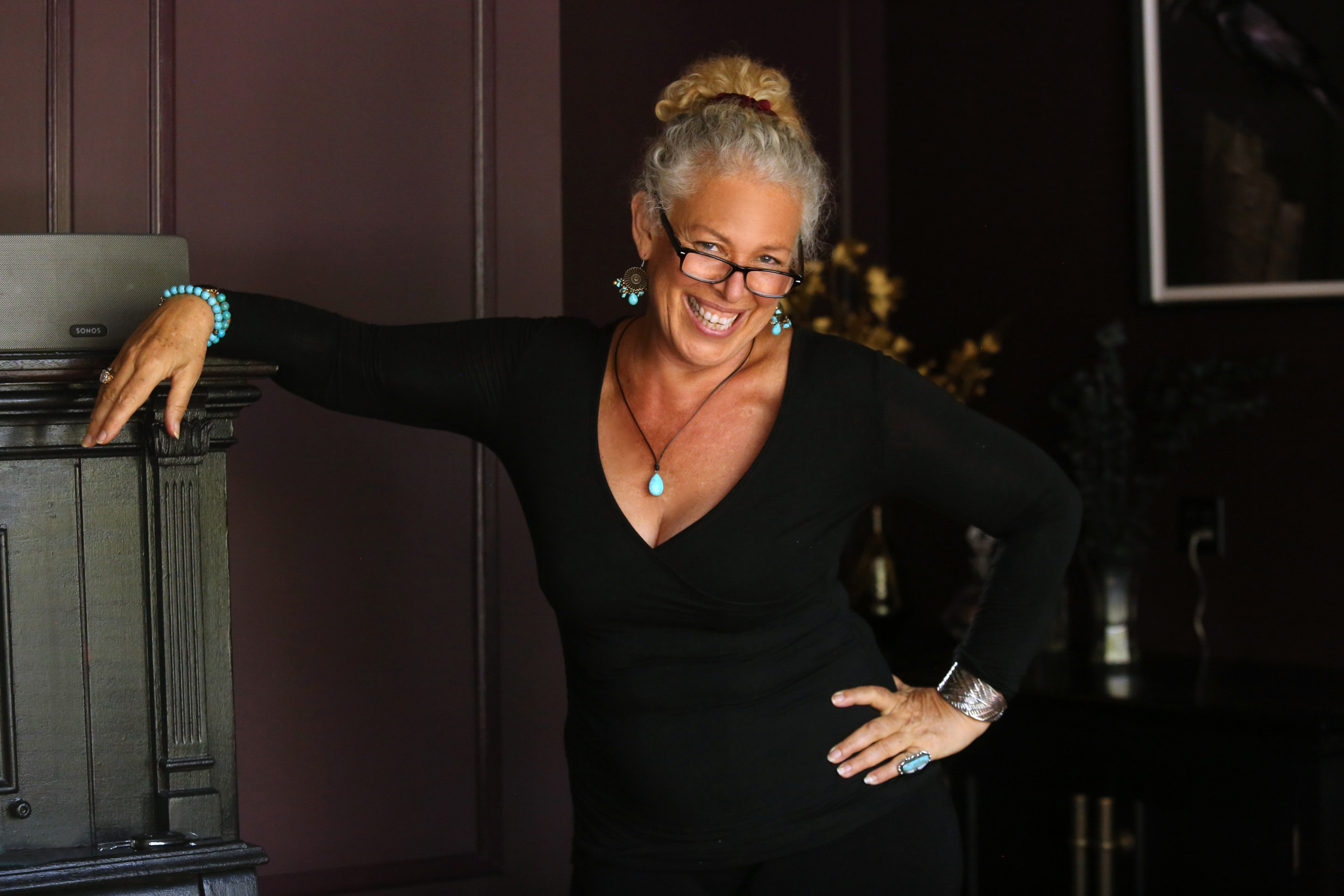
Whether you’re just starting your research or you have a rough cut that needs finishing funds, we are here to guide you. We offer everything from online courses to film coaching by our founder, Joanne Butcher.
Your film deserves to be made.
Are you ready to stop the "starving artist" cycle and start your journey toward Filmmaker Success?
Book a call with us today and let’s look at your project together. We’ll talk about which of these 7 funding types are the best fit for your specific story.
Make Movies. Make Money. Make the World a Better Place.
The struggle is OVER. Your success starts NOW.